


Rome—the Eternal City—is a place where history, culture, and vibrant street life collide in the most magical way. Whether you’re wandering the ancient ruins of the Colosseum, tossing a coin into the Trevi Fountain, or savoring an espresso in a bustling piazza, Rome offers an unforgettable experience that blends the old with the new.
In this guide, we’ll explore the Best time to visit Rome, so you can make the most of your trip. From the weather to festivals, travel tips, local food, and where to stay, this article is your go-to resource for planning the perfect Roman holiday.
Why Visit Rome?

Rome isn’t just Italy’s capital — it’s a city that has shaped art, politics, and culture for millennia. Here’s why Rome deserves a spot on your travel bucket list:
-
Iconic Landmarks: The Colosseum, Vatican City, Roman Forum, Pantheon, and more offer a deep dive into ancient history.
-
Rich Culture: From Renaissance art masterpieces to bustling piazzas filled with street performers, Rome is a cultural feast.
-
Unique Atmosphere: You’ll find charming cobblestone streets, vibrant markets, and a café culture that invites you to slow down and savor life.
-
Delicious Food: Rome is a foodie’s dream, boasting classic dishes like carbonara, supplì, and gelato that’ll make your taste buds dance.
Best Time to Visit Rome
Ideal Months & Seasons
The best time to visit Rome generally falls during the spring (April to June) and fall (September to October) months. During these periods, the weather is pleasant, crowds are manageable, and the city’s charm shines brightest.
-
Spring: Mild temperatures (around 15-22°C / 59-72°F), blooming gardens, and plenty of daylight.
-
Fall: Comfortable weather (14-23°C / 57-73°F), colorful foliage, and the grape harvest season.
Weather Overview
-
Summer (July-August): Hot (up to 35°C / 95°F), often crowded, and prices can spike. Not ideal if you dislike heat or crowds.
-
Winter (December-February): Cooler temperatures (5-13°C / 41-55°F), fewer tourists, and some rainy days, but great for budget travelers.
Events & Festivals to Watch For
-
Easter Celebrations: Experience the Vatican’s Easter Mass, a deeply spiritual event.
-
Estate Romana (Summer Festival): A series of concerts, films, and outdoor events across the city from June to September.
-
Rome Film Fest (October): For movie buffs, this is a major cultural highlight.
-
Christmas Markets: December brings festive markets and a magical atmosphere.
How to Get There
Airports & Train Stations
-
Leonardo da Vinci International Airport (Fiumicino): The main international gateway, about 30 minutes from the city center.
-
Ciampino Airport: Serves budget airlines, smaller and closer to Rome.
-
Termini Station: The central train station connecting Rome to other Italian cities and Europe.
Travel Routes & Tips
-
From Europe, many travelers prefer high-speed trains, especially from Florence or Milan.
-
Budget airlines and direct international flights serve Fiumicino and Ciampino.
-
Book tickets in advance for better prices and options.
Transportation Options
-
Rome’s public transport includes buses, trams, and metro lines.
-
Walking is one of the best ways to explore central Rome.
-
Consider renting a scooter or bike for a local feel, but be prepared for busy streets.
Where to Stay in Rome
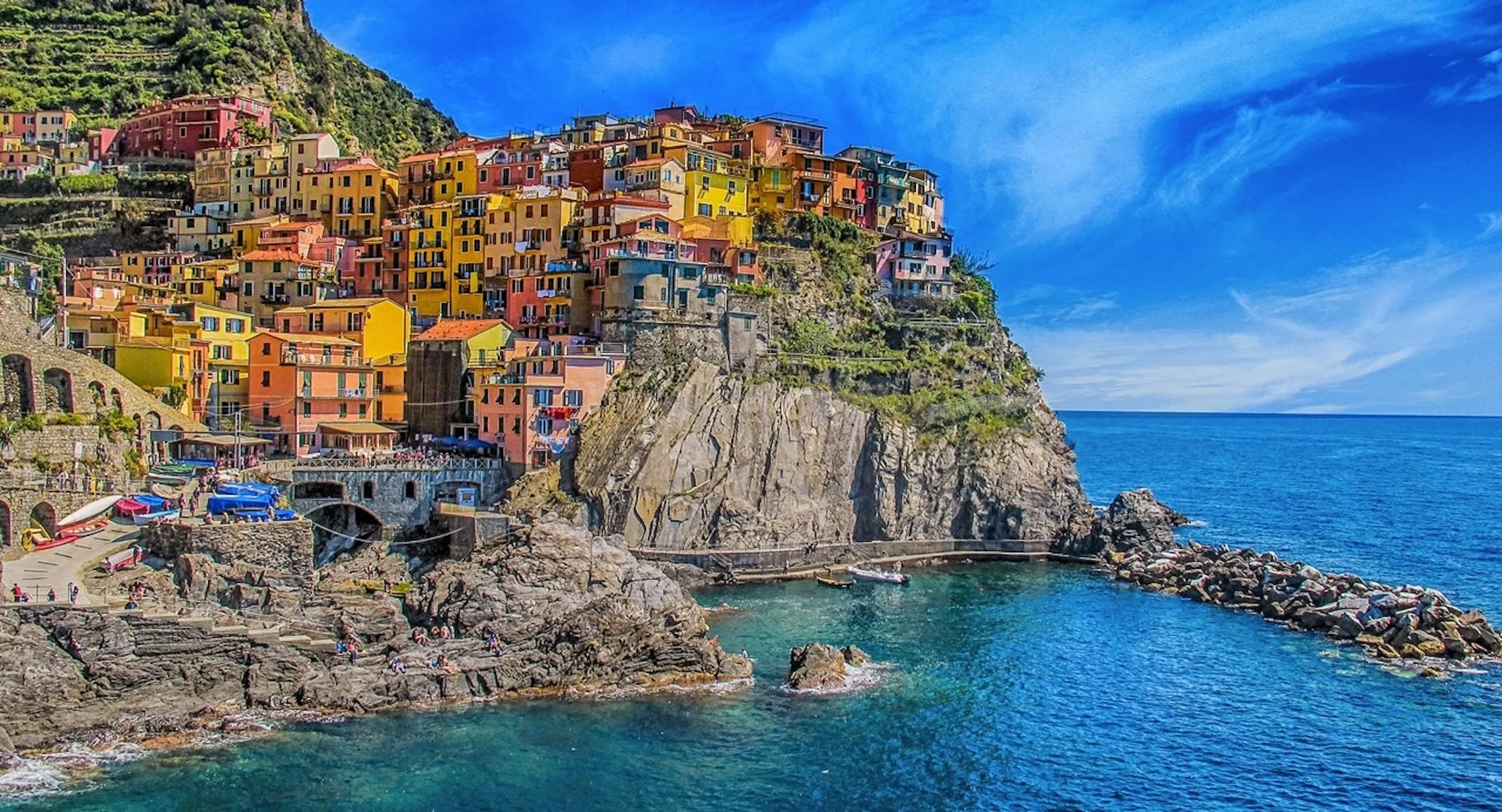
Recommended Neighborhoods
-
Centro Storico: Heart of Rome; close to major sites but pricier.
-
Trastevere: Charming and bohemian, perfect for nightlife and local vibes.
-
Monti: Trendy area with boutique shops and a relaxed atmosphere.
-
Testaccio: Authentic Roman neighborhood, great for foodies.
Accommodation Types
-
Budget: Hostels and guesthouses in San Lorenzo and Termini.
-
Mid-Range: Boutique hotels and apartments in Trastevere or Monti.
-
Luxury: Elegant hotels near the Spanish Steps or Piazza Navona.
Local Experience vs Tourist Hubs
Staying slightly outside the main tourist areas often leads to better deals and a more authentic experience. But if it’s your first visit, being close to the action might save travel time.
Top Things to Do & See
Must-Visit Attractions
-
Colosseum & Roman Forum: Step back into gladiatorial times.
-
Vatican Museums & Sistine Chapel: Marvel at Michelangelo’s masterpieces.
-
Pantheon: A perfectly preserved ancient temple.
-
Trevi Fountain: Don’t forget to toss a coin!
-
Spanish Steps & Piazza di Spagna: Ideal for people-watching.
Hidden Gems
-
Basilica di San Clemente: Explore layers of history underground.
-
Villa Borghese Gardens: Perfect for a peaceful afternoon.
-
Testaccio Market: Authentic food market away from tourist crowds.
Visit Also: Best Time To Visit California
Local Cuisine & Food Spots

Famous Dishes
-
Cacio e Pepe: Simple yet delicious pasta with cheese and pepper.
-
Carbonara: Creamy pasta made with eggs, cheese, pancetta, and pepper.
-
Supplì: Fried rice balls filled with mozzarella.
-
Gelato: The Italian ice cream you can’t skip.
Best Food Spots
-
Roscioli: A deli and restaurant combo famous for pasta.
-
Pizzarium: Renowned for creative Roman-style pizza al taglio.
-
Trattoria Da Enzo: Traditional Roman dishes in Trastevere.
-
Giolitti: Historic gelato parlor near the Pantheon.
Shopping & Souvenirs
Where to Shop
-
Via del Corso: Main shopping street with everything from high street to designer.
-
Campo de’ Fiori Market: Great for fresh produce and local crafts.
-
Via Condotti: High-end fashion boutiques near the Spanish Steps.
Unique Souvenirs
-
Handmade leather goods
-
Olive oil and balsamic vinegar
-
Papal souvenirs from Vatican shops
-
Traditional ceramics and jewelry
Travel Tips & Essentials

Budget & Safety
-
Rome can be affordable if you plan ahead — book attractions online to avoid queues.
-
Watch out for pickpockets, especially in crowded areas.
-
Tap water is safe and drinkable.
What to Pack
-
Comfortable walking shoes (Rome’s cobblestones are unforgiving!)
-
Light layers for spring/fall; sunscreen and hat for summer.
-
Modest clothing if you plan to visit churches or the Vatican.
Health & Connectivity
-
Free Wi-Fi is common in cafes and public spaces.
-
Buy a local SIM card for data or use international plans.
-
Pharmacies are widespread for any health needs.
Sustainability & Responsible Travel
-
Use refillable water bottles; Rome has many public fountains.
-
Respect local customs, especially in religious sites.
-
Support local artisans and markets rather than big chains.
-
Opt for public transport or walking over taxis to reduce your carbon footprint.
Bonus: Day-by-Day Itinerary Idea
Day 1: Colosseum, Roman Forum, Palatine Hill
Day 2: Vatican Museums, St. Peter’s Basilica, Castel Sant’Angelo
Day 3: Pantheon, Piazza Navona, Trevi Fountain, Spanish Steps
Day 4: Explore Trastevere, Villa Farnesina, and Testaccio Market
Conclusion
Rome is a city that truly has something for everyone — history buffs, food lovers, culture seekers, and casual wanderers alike. The best time to visit Rome balances good weather with fewer crowds, ideally in spring or fall. With its timeless charm, incredible cuisine, and vibrant street life, Rome promises memories that will last a lifetime.
Ready to start planning your Roman adventure? Keep this guide handy, pack your bags, and prepare to fall in love with the Eternal City!
🔍 Explore For more ➡️ Vitamin C puns at Bestest Puns