


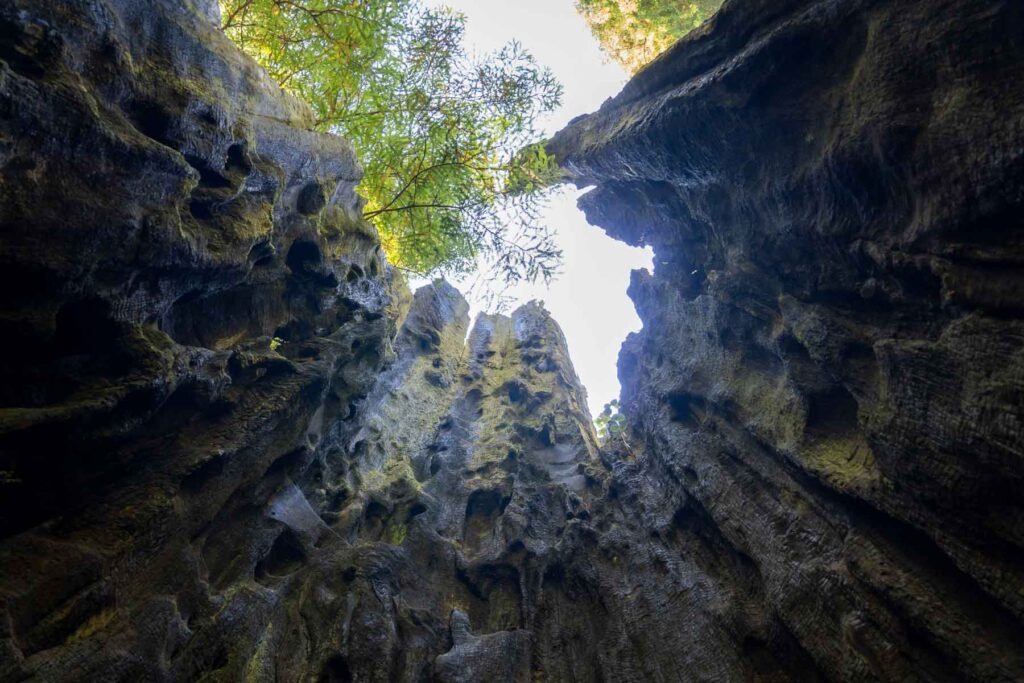
Redwood National Park, located in Northern California, is a magnificent destination famous for its towering ancient redwood trees—the tallest trees on Earth. Knowing the best time to visit Redwood National Park can enhance your experience, as the park offers a unique opportunity to immerse oneself in some of the most stunning natural landscapes rich with diverse wildlife, from Roosevelt elk to migratory birds. People visit to experience the serene grandeur of ancient forests, beautiful wildflowers, rushing streams, and a lush green canopy unlike anywhere else in the world. Whether it’s hiking through misty groves or beachcombing under the sunset, Redwood National Park is a treasure for nature lovers and adventurers alike.
Best Time to Visit Redwood National Park
The best time to visit Redwood National Park is generally from late spring through early fall, specifically from May to September. During this period, the weather is pleasant, mostly dry, and temperatures range from about 45°F to 70°F, ideal for hiking and exploring. Spring (March to May) is an excellent time as the forest blooms with fresh greenery and wildflowers while also witnessing the gray whale migration along the coast. Summer (June to August) offers warmer days with minimal rainfall, though coastal fog often adds a mystical feel to the landscape. Fall (September to October) presents cooler temperatures, fewer crowds, and vibrant fall foliage, perfect for photography and hiking. Winter brings more rain and muddy trails, though it is the least crowded season with a peaceful ambiance.

Events such as the gray whale migration in March, April, November, and December provide special wildlife viewing opportunities, while summer hosts ranger-led programs and tours.
How to Get There
Redwood National Park is relatively remote. The nearest major airports include:
-
Oakland International Airport (OAK) – about a 6-hour drive
-
Portland International Airport (PDX) – about a 6-hour drive
-
San Francisco International Airport (SFO) – about a 6-hour drive
-
Rogue Valley International-Medford Airport (MFR) – about a 3-hour drive
Local smaller airports like California Redwood Coast-Humboldt County Airport (ACV) and Del Norte County Regional Airport (CEC) are about 30 minutes away but have limited flights.
Most visitors fly into a major airport, rent a car, and drive to the park. Public transportation options are limited, so renting a car is highly recommended to explore fully.
Where to Stay
Options for accommodations near Redwood National Park range from:
-
Budget-friendly motels and cabins in nearby towns such as Crescent City and Klamath
-
Mid-range lodges offering comfortable amenities closer to park entrances
-
Luxury inns and B&Bs for a more upscale local experience
Staying in smaller towns like Crescent City provides access to local dining and culture, while lodging closer to the park offers convenience and the chance to enjoy peaceful forest surroundings.
Top Things to Do & See
-
Drive the scenic Coastal Drive and explore Lady Bird Johnson Grove for easy walks among towering redwoods
-
Hike through Fern Canyon, famous for its lush walls covered in ferns and moss
-
Spot wildlife such as Roosevelt elk, gray whales (seasonally), and migratory birds
-
Beachcombing and tidepool exploration along the pristine Pacific coastline
-
Discover hidden gems such as Gold Bluffs Beach and Prairie Creek Redwoods State Park within the park complex
-
Participate in ranger-led programs and guided tours during summer months
Local Cuisine & Food Spots
Famous local dishes emphasize fresh seafood and farm-to-table flavors. Try:
-
Dungeness crab and freshly caught salmon
-
Local artisan cheeses and sourdough bread
-
Cozy cafés and diners offering hearty meals in Crescent City and nearby towns
Popular food spots include small local eateries, seafood shacks, and artisan bakeries, perfect for tasting regional flavors after a day of exploring.
Shopping & Souvenirs
-
Visit local markets and gift shops in Crescent City for native crafts, locally made jams, and art inspired by the redwoods.
-
Unique souvenirs include redwood woodcrafts, nature-inspired jewelry, and eco-friendly products supporting sustainability.
-
Look out for books and photography prints showcasing the park’s natural beauty.
Travel Tips & Essentials
-
Pack layered clothing to prepare for coastal fog and changing temperatures; rain gear is essential in fall and winter.
-
Safety tips include staying on marked trails and keeping a respectful distance from wildlife.
-
Internet and cell service can be spotty inside the park, so plan offline maps and downloads.
-
Purchase a National Park Pass in advance if possible.
-
Budget travelers can find off-peak savings from October to April, though expect wetter weather.
Sustainability & Responsible Travel
-
Stick to established trails to protect fragile ecosystems.
-
Avoid disturbing wildlife and dispose of all waste properly.
-
Support local businesses and artisans to contribute to the local economy.
-
Respect park rules and local customs to ensure this natural treasure remains pristine for future visitors.
Bonus: Day-by-Day Itinerary Idea
-
Day 1: Coastal Drive and Lady Bird Johnson Grove hike
-
Day 2: Explore Fern Canyon and Gold Bluffs Beach, with a sunset beach walk
-
Day 3: Visit Prairie Creek, go elk-spotting, and enjoy ranger programs or local museums
This itinerary covers iconic spots, nature immersion, and local experiences at a comfortable pace.
**Are you Really a Meme Lover? Just Kick to the Chill Guy Memes