


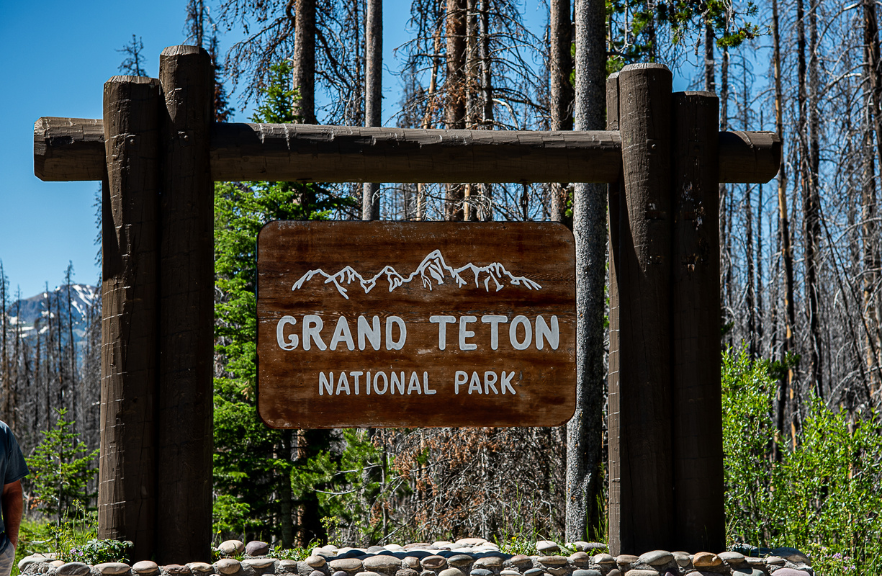
I’ve been lucky enough to explore this gem multiple times, and let me tell you—it’s one of those places that leaves you breathless every single visit. Whether you’re a hardcore hiker chasing alpine trails or a casual explorer soaking in the views from a scenic drive, knowing the best time to visit Grand Teton National Park can make your experience even more magical, as Grand Teton has something enchanting for everyone.
What makes Grand Teton so special? It’s not just the dramatic Teton Range rising straight out of the valley floor—it’s the raw, untamed wilderness of Jackson Hole, home to over 60 mammal species and a playground for outdoor enthusiasts. Established in 1929, the park protects 310,000 acres of pristine land, blending stunning geology with rich history from Native American tribes and early settlers. It’s less crowded than its neighbor Yellowstone but packs just as much punch in terms of natural wonders. Trust me, once you see those Tetons at sunrise, you’ll understand why it’s a bucket-list destination.
Best Time to Visit Grand Teton National Park
Timing your trip to Grand Teton can make or break the experience—think about dodging summer crowds or catching fall foliage versus braving winter snow. From my adventures and what seasoned travelers say, the sweet spot is mid-May to late September when everything’s open and the weather cooperates. But if I had to pick the absolute best? Mid-September, right after Labor Day. The air’s crisp, crowds thin out, and you get that perfect mix of warm days and cool nights.
Ideal Months and Seasons
- Summer (June to August): Peak season with long days and temps in the 70s-80s°F. Everything’s accessible, but expect busier trails. Great for families or first-timers.
- Fall (September to October): My personal favorite—fewer people, vibrant aspen golds, and elk bugling. Early October is ideal before snow hits.
- Spring (May): Shoulder season with blooming wildflowers and active wildlife. Trails might still have snow, but it’s less crowded.
- Winter (November to April): For the adventurous, it’s a snowy wonderland for cross-country skiing, but many roads close.
Weather Overview
Grand Teton’s weather is as dramatic as its landscapes—summers are warm and dry (highs 70-80°F, lows 40s), while winters dip to freezing (highs 20-30°F, lows below 0°F). Rainfall is low year-round, but afternoon thunderstorms pop up in summer. Snow can linger into June or arrive by October. Here’s a quick monthly breakdown:
| Month | Average High (°F) | Average Low (°F) | Rainfall (inches) | Notes |
|---|---|---|---|---|
| January | 28 | 5 | 1.2 | Snowy, limited access |
| February | 32 | 7 | 1.0 | Cold, great for winter sports |
| March | 42 | 18 | 1.1 | Transition to spring |
| April | 52 | 25 | 1.2 | Melting snow, muddy trails |
| May | 62 | 32 | 1.8 | Wildflowers bloom |
| June | 72 | 38 | 1.5 | Ideal hiking weather |
| July | 80 | 42 | 1.0 | Warmest month |
| August | 79 | 41 | 1.1 | Bison rut, potential crowds |
| September | 70 | 33 | 1.3 | Fall colors peak |
| October | 57 | 24 | 1.2 | Crisp, possible early snow |
| November | 39 | 16 | 1.4 | Roads start closing |
| December | 29 | 7 | 1.3 | Deep winter sets in |
Events and Festivals to Watch For
Summer buzzes with the Grand Teton Music Festival (July-August), featuring world-class orchestral performances in Teton Village. Fall brings elk migrations and the Jackson Hole Fall Arts Festival in September, celebrating local artists. If you’re into wildlife, August’s bison rut is a spectacle.
How to Get to Grand Teton National Park
Getting here is part of the fun—think scenic drives through wide-open spaces. The park’s just north of Jackson, Wyoming, making it accessible yet remote.
Nearest Airports and Transportation
Fly into Jackson Hole Airport (JAC), conveniently located inside the park—it’s the only commercial airport in a U.S. national park! Major airlines like Delta, United, and American offer direct flights from hubs like Denver, Chicago, and Salt Lake City. From the airport, it’s a quick 10-minute drive to park entrances, making it an ideal starting point to plan the best time to visit Grand Teton National Park.
For international travelers, connect through Salt Lake City (SLC, 4-5 hour drive) or Denver (DEN, 8-9 hours). No trains or buses directly to the park, but shuttles like JH Shuttle or rental cars from the airport work well.
Common Travel Routes and Tips
Driving from Yellowstone? Enter via the south entrance—it’s a seamless 1-hour jaunt. From the south, take I-15 to Highway 89. Pro tip: Rent a 4WD vehicle for gravel roads, and check for seasonal closures (Teton Park Road shuts November-May). Gas up in Jackson—stations inside the park are limited.
Where to Stay in Grand Teton National Park
From rustic cabins to luxury lodges, options abound. Stay inside for immersion or in Jackson for more amenities.
Recommended Areas
- Inside the Park: Jenny Lake or Colter Bay for central access to trails.
- Jackson Town: Lively vibe with shops and dining.
- Teton Village: Ski-resort feel, great for winter visits.
Accommodation Types
- Budget: Campgrounds like Colter Bay (RV/tent sites, ~$30/night).
- Mid-Range: Signal Mountain Lodge (~$250/night) with lake views.
- Luxury: Jenny Lake Lodge (~$500+/night) for upscale cabins and fine dining.
Local spots like Dornans Spur Ranch offer a authentic ranch feel, while tourist hubs in Jackson provide convenience.
Top Things to Do and See in Grand Teton National Park
This park is an adventure paradise—hiking, boating, and wildlife spotting top the list.
Must-Visit Attractions
- Jenny Lake: Hike the loop or boat to Hidden Falls and Inspiration Point.
- 42-Mile Scenic Drive: Wind through viewpoints like Schwabacher Landing.
- Mormon Row: Historic barns with epic Teton backdrops.
Hidden Gems and Activities
Spot moose at Oxbow Bend or bison in Willow Flats. For adventure, try rafting the Snake River or climbing the Grand Teton (permit required). History buffs: Visit the Chapel of the Transfiguration. Nature lovers: Kayak Jackson Lake or hike to Delta Lake for emerald waters.
Local Cuisine and Food Spots in Grand Teton and Jackson Hole
Wyoming’s food scene leans hearty and local—think game meats and fresh trout.
Famous Dishes and Drinks
Savor bison burgers, elk steaks, or huckleberry treats. Wash it down with a local craft beer from Snake River Brewing.
Best Spots
- Inside Park: Mural Room at Jackson Lake Lodge for panoramic views and upscale American fare.
- Jackson Hole: Snake River Grill for innovative Western cuisine; Leek’s Pizzeria for casual pies.
- Street Food: Grab a chuckwagon dinner at Dornans for that cowboy vibe.
Shopping and Souvenirs in Grand Teton Area
Jackson’s Town Square is souvenir heaven—antler arches and all.
Popular Markets
Browse galleries and shops for Western art, jewelry, and outdoor gear.
Unique Souvenirs
Pick up Teton-themed t-shirts, handmade pottery, or a cowboy hat. Don’t miss the Grand Teton Association store for educational books and stickers.
Travel Tips and Essentials for Grand Teton
Pack smart and respect the wild—this ain’t a theme park.
Budget, Safety, and Etiquette
Entrance fee: $35/vehicle for 7 days. Budget $200-400/day including lodging. Safety: Carry bear spray, hike in groups, and stay 100 yards from wildlife. Etiquette: Stick to trails, no drones.
What to Pack and Wear
Layers for variable weather—hiking boots, rain jacket, sunscreen. Winter: Insulated gear. Connectivity: Spotty cell service; grab a SIM at the airport or use park Wi-Fi.
Health and More
Altitude can hit hard (6,000+ ft)—hydrate! No major health risks, but watch for ticks in summer.
Sustainability and Responsible Travel in Grand Teton
Keep this paradise pristine for generations.
Eco-Friendly Tips
Follow Leave No Trace: Pack out trash, use reusable water bottles, and carpool. Support zero-waste initiatives at picnics.
Respecting Local Customs
Honor Indigenous history—Grand Teton is ancestral land of the Shoshone and others. Give wildlife space and avoid feeding animals.
Bonus: 3-Day Itinerary for Grand Teton
Day 1: Arrival and Exploration – Fly into JAC, drive the scenic loop, hike Jenny Lake.
Day 2: Adventure Day – Raft the Snake, wildlife tour at dusk.
Day 3: Hikes and Departure – Summit Inspiration Point, shop in Jackson before heading out.
Bonus: Best Instagram-Worthy Spots
- Schwabacher Landing for reflections.
- Mormon Row barns at sunrise.
- Oxbow Bend for moose and mountains.
Comparing Utah’s National Parks to Yosemite National Park
While Grand Teton steals the show with its alpine drama, let’s chat about how Utah’s “Mighty Five” (Arches, Bryce Canyon, Canyonlands, Capitol Reef, Zion) stack up against Yosemite in California. Both offer jaw-dropping landscapes, but they’re worlds apart in vibe.
Utah’s parks are all about red rock wonders—think delicate arches, hoodoos, and deep canyons carved by time. Zion’s Angels Landing hike rivals Yosemite’s Half Dome for thrill, but Utah feels more otherworldly, like a Mars landscape. Yosemite, on the other hand, is granite heaven with towering cliffs, giant sequoias, and thundering waterfalls. It’s more forested and watery compared to Utah’s arid deserts. For those planning trips nearby, knowing the best time to visit Grand Teton National Park can help you experience similar majestic landscapes with fewer crowds and ideal weather.
Crowds? Both get slammed in summer—Yosemite’s Valley can feel like a parking lot, while Zion’s shuttle system helps manage it. Utah’s spread-out parks allow for more solitude if you venture off-main paths. Size-wise, Yosemite (1,200 sq mi) is compact like a single Utah park (Zion is 229 sq mi), but the Mighty Five together dwarf it at over 1,000 sq mi combined.
Ultimately, choose Utah for desert adventures and slot canyons, Yosemite for classic Sierra Nevada grandeur. If you love Grand Teton’s mountains, Yosemite’s got a similar alpine feel, while Utah’s a total contrast. All are worth visiting—why not road trip them all?
**Are you Really a Meme Lover? Just Kick to the Chill Guy Memes