

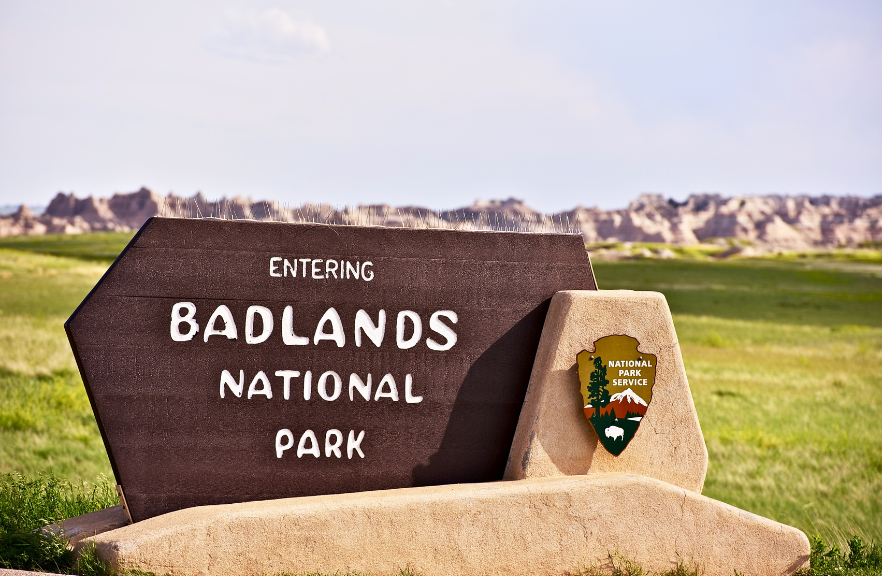
Tucked in the southwestern corner of South Dakota, this 244,000-acre wonder is a geological time capsule, packed with 75-million-year-old fossils and otherworldly vistas that make you feel like you’ve stepped onto another planet. It’s famous for its dramatic erosion-carved formations, a hotspot for paleontologists (hello, T-Rex relatives!), and a haven for wildlife like bighorn sheep and prairie dogs. What makes it special? Unlike the towering giants of the Rockies, Badlands offers raw, accessible drama—hike a slot canyon one minute, chase sunsets the next, all without the mega-crowds of more hyped parks. Whether you’re a newbie road-tripper or a seasoned nomad chasing that perfect shot, this guide has you covered. Let’s dive in and figure out the best time to visit Badlands National Park so you can make the most of its rugged magic.
Best Time to Visit Badlands National Park
Timing is everything when planning a trip to this arid wonderland. The best time to visit Badlands National Park? Hands down, the shoulder seasons of late spring (May to early June) or early fall (September to mid-October). These months strike the perfect balance: mild temps, blooming wildflowers or fiery fall foliage, and way fewer visitors than peak summer. It’s when the park feels like your personal playground, with golden-hour light turning the badlands into a photographer’s dream.
Weather Breakdown: What to Expect
- Spring (April–June): Temps range from 50–75°F (10–24°C), with low rainfall (about 2 inches/month). Wildflowers explode in May, but watch for occasional thunderstorms. It’s the best time to visit Badlands National Park if you love crisp mornings and fewer bugs.
- Summer (July–August): Hot and dry, hitting 85–95°F (29–35°C) daytime highs, with rare afternoon showers. Great for stargazing under dark skies, but pack sunscreen—the exposed rock offers zero shade.
- Fall (September–November): Cooling to 40–70°F (4–21°C), with vibrant prairie grasses. October can bring early snow, adding a mystical vibe, but it’s unpredictable.
- Winter (December–March): Brutal chills (0–40°F/-18–4°C) and snow-dusted buttes make it a quiet, ethereal escape for hardy souls, but roads can close.
Pro tip: Avoid July 4th weekends if crowds aren’t your jam—summer sees over 1 million visitors annually.
Events and Festivals Not to Miss
Time your visit for the Badlands Astronomy Festival in mid-July (July 18–20, 2025), where astronomers set up telescopes for epic stargazing under the park’s International Dark Sky status. Or catch ranger-led fossil talks in summer. For a cultural twist, swing by nearby Wall Drug for their wild west hoedowns—pure kitschy fun.
How to Get to Badlands National Park
Getting to Badlands is a breeze if you’re road-tripping across the Midwest—it’s right off I-90, about 75 miles east of Rapid City. Fly into Rapid City Regional Airport (RAP), the closest hub with direct flights from major U.S. cities like Denver or Chicago (1–2 hours). From there, rent a car (essential—no shuttles inside the park) and cruise 1 hour east on I-90 to the Northeast Entrance at Wall. International travelers? Connect through Denver International (DEN, 5–6 hour drive) for more flight options.
Driving from afar? The iconic Route 240 Loop Road starts at I-90 Exit 131—enter from the Pinnacles Entrance for a dramatic intro. Buses are sparse, but Greyhound stops in Rapid City. Fuel up before entering; gas stations are limited inside.
Where to Stay Near Badlands National Park
Base yourself for that immersive vibe. Inside the park, Cedar Pass Lodge offers cozy cabins ($150–250/night) with killer views—book early, it’s the only in-park spot. For budget vibes ($80–120), crash at Badlands/White River KOA with tent sites and glamping yurts, or the rustic Badlands Hotel & Campground in Interior for a small-town feel.
Outside? Wall (10 miles west) is tourist central with chain motels like Best Western Plains ($100–150) near Wall Drug’s chaos. For luxury, head to Rapid City’s Hotel Alex Johnson ($200+), a historic gem 75 miles away. Prefer local over hubs? Opt for Custer’s family-run B&Bs amid Black Hills scenery—closer to adventure without the interstate buzz.
Top Things to Do & See in Badlands National Park
Badlands isn’t just lookouts; it’s a playground for hikers, history buffs, and wildlife whisperers. Start with the 31-mile Badlands Loop Road (SD-240)—pull over at 16 overlooks for panoramic punches.
Must-Visit Attractions
- Notch Trail: A 1.5-mile thrill with ladders climbing a canyon wall to epic views—heart-pounding but doable for most.
- Ben Reifel Visitor Center: Dive into fossil exhibits and grab a Junior Ranger booklet—free fun for kids.
- Sage Creek Rim Road: Gravel detour for bison spotting and primitive camping.
Hidden Gems and Adventures
Hike the Fossil Exhibit Trail for dino bones in situ, or join a ranger-led prairie hike for bighorn sheep sightings. Adventure seekers: Saddle up for horseback tours or stargaze at night— the Milky Way here is unreal. History fans, explore the Stronghold Table in the South Unit for Lakota Sioux cultural sites.
Local Cuisine & Food Spots
South Dakota’s Badlands scene leans hearty and homegrown—think bison burgers and fry bread tacos nodding to Native American roots. At Cedar Pass Restaurant (in-park), savor elk chili or Indian tacos ($12–20) with prairie views.
In Wall, Red Rock Restaurant dishes up local beef steaks ($15–25) and chislic (cubed lamb skewers). For casual bites, Wall Drug’s soda fountain serves 5¢ coffee and homemade pie. Hidden gem: Wagon Wheel Bar & Grill in Interior for juicy bison ribs and craft beers—pair with a sunset view. Vegetarian? Grab quinoa salads at the visitor center cafe. Wash it down with chokecherry wine from nearby vineyards.
Shopping & Souvenirs
Snag treasures that scream “Badlands.” The park’s bookstore at Ben Reifel sells fossil replicas and Lakota beadwork ($10–50). In Wall Drug, hunt kitschy gems like blacklight posters or arrowhead necklaces. For authentic vibes, Badlands Trading Post offers handmade moccasins and sage bundles. Don’t leave without a chunk of rose quartz—South Dakota’s state stone—from roadside rock shops.
Travel Tips & Essentials
Budget $100–200/day per person (entry $30/vehicle, gas, food). Safety first: Stay on trails—rattlesnakes and crumbling edges are real. Pack layers, sturdy boots, 2L water/hike, and bug spray. Dress in earth tones to blend with the prairie. Wi-Fi? Spotty—grab a Verizon SIM in Rapid City for coverage. Download offline maps via NPS app.
Sustainability & Responsible Travel
Tread lightly in this fragile fossil bed. Stick to paths to avoid erosion, pack out trash, and use reusable bottles (water stations available). Support locals by buying Native artisan goods, and respect Oglala Lakota customs—no photos of sacred sites without permission. Opt for eco-lodges like Cedar Pass, and carpool to cut emissions. Leave fossils untouched—they’re for everyone.
Day-by-Day Itinerary: 3 Days in Badlands
Day 1: Arrival & Loop Road Essentials Fly into RAP, drive to Wall. Enter via Northeast Entrance; hit Big Badlands Overlook for sunrise coffee. Cruise the Loop to Pinnacles Entrance, picnic at Big Foot Pass. Evening: Stargaze at Cedar Pass.
Day 2: Hikes & Wildlife Tackle Notch Trail and Door/Window Trails (3–4 miles total). Spot bison on Sage Creek Road. Afternoon: Fossil Prep Lab tour. Dinner in Interior.
Day 3: South Unit & Exit Explore White River Visitor Center and Yellow Mounds Overlook. Hike Prairie Wind for prairie views. Head out via I-90, detouring to Mount Rushmore (1.5 hours west).
Best Instagram-Worthy Spots
- Yellow Mounds Overlook: Psychedelic yellow-purple layers at golden hour.
- Panorama Point Sunrise: Endless badlands bathed in pink.
- Bison at Roberts Prairie Dog Town: Epic wildlife herds against striped backdrops.
Utah National Parks vs. Yosemite National Park: Quick Comparison
If Badlands has you hooked on epic U.S. parks, here’s how Utah’s “Mighty Five” (Zion, Arches, etc.) stack up against California’s Yosemite. Both deliver jaw-dropping scenery, but vibes differ.
| Aspect | Utah National Parks (e.g., Zion & Arches) | Yosemite National Park |
|---|---|---|
| Landscape | Red rock arches, slot canyons, desert drama—otherworldly and vast. | Granite cliffs, waterfalls, sequoias—lush alpine majesty. |
| Best Time | Spring/fall (60–80°F); summers scorch (100°F+). | Summer (70–90°F); winters snowy but magical. |
| Crowds | High in Zion; Arches requires timed entry. | Valley packed; high country quieter. |
| Activities | Hiking Angels Landing, canyoneering; more arid adventure. | Climbing El Capitan, rafting Merced River; waterfall chases. |
| Accessibility | Drive-ins easy; shuttles in Zion. | Yosemite Valley shuttle; longer hikes to highlights. |
| Why Choose? | For red-rock romance and multi-park hops (5 in one trip!). | For iconic waterfalls and granite grandeur—timeless icon. |
Utah edges for variety and fewer rainy days; Yosemite wins for biodiversity. Both beat Badlands for elevation thrills, but none match its fossil-rich solitude.
Ready to chase horizons? The best time to visit Badlands National Park is now—grab your boots and hit the road. What’s your must-do? Drop a comment below! Safe travels from your pal at BestTimeForTravel.com.
**Are you Really a Meme Lover? Just Kick to the Chill Guy Memes
