

Orchids have always fascinated plant enthusiasts due to their diverse forms, colors, and elegance. Among the many species, anggrek dendrobium stands out as one of the most cherished types. Native to Southeast Asia, this orchid species captivates gardeners and collectors alike with its striking appearance and relatively easy care compared to other exotic orchids.
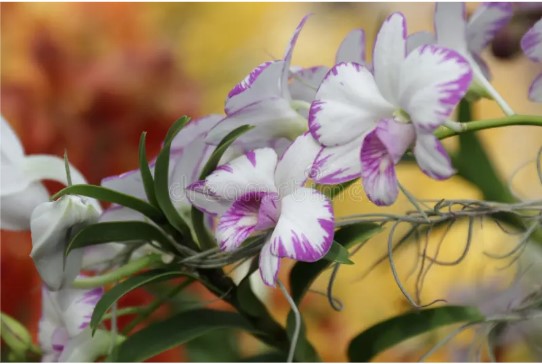
Dendrobium orchids come in a variety of shapes and shades, ranging from delicate whites to vibrant purples and pinks. These blooms are not only visually appealing but also have cultural significance in many countries. For instance, in Indonesia and Thailand, anggrek dendrobium is often used in ceremonies and as ornamental gifts.
Characteristics of Anggrek Dendrobium
Understanding the unique characteristics of anggrek dendrobium can help both beginners and experienced growers maintain healthy plants. Some key features include:
Flower Structure
Anggrek dendrobium produces clusters of flowers that often grow along tall, slender stems. Each bloom typically has five petals and a distinct lip, which acts as a landing platform for pollinators. Depending on the variety, flowers can be single-colored or multi-toned, sometimes displaying patterns or stripes.
Growth Habit
Unlike some orchids that require specific environments, dendrobiums are versatile. They can grow in pots, hanging baskets, or mounted on tree bark. This adaptability makes them suitable for indoor and outdoor cultivation in tropical and subtropical regions.
Lifespan and Blooming
Dendrobium orchids are known for their longevity. With proper care, the plant can live for several years, producing blooms annually. The flowering period varies among species, but many anggrek dendrobium orchids display their colorful blossoms for several weeks at a time.
How to Care for Anggrek Dendrobium
Proper care is crucial to ensure healthy growth and frequent flowering. Here’s a detailed guide to maintaining your anggrek dendrobium:
Light Requirements
Dendrobiums thrive in bright, indirect sunlight. Too much direct sunlight can scorch the leaves, while insufficient light may prevent flowering. A location near a window with filtered sunlight is ideal.
Watering and Humidity
Watering should be done carefully to avoid root rot. Typically, watering once a week is sufficient, allowing the medium to dry slightly between waterings. High humidity levels (around 50–70%) are favorable for optimal growth. Using a humidity tray or misting the plant can help maintain the right environment.
Soil and Potting
Dendrobiums require well-draining media, such as a mix of bark, perlite, and sphagnum moss. Good drainage ensures that roots are not waterlogged, which can lead to fungal infections. Repotting every two years helps provide fresh nutrients and encourages new growth.
Fertilization
Regular feeding supports robust growth and flowering. Use a balanced orchid fertilizer diluted to half strength every two weeks during the growing season. Reducing fertilization in winter helps the plant rest and prepare for the next bloom cycle.
Common Varieties of Anggrek Dendrobium
Dendrobium orchids encompass hundreds of species, but some varieties are especially popular:
- Dendrobium nobile: Known for its fragrant flowers and cascading stems.
- Dendrobium phalaenopsis: Features large, moth-like flowers in shades of pink and white.
- Dendrobium kingianum: A smaller variety, perfect for indoor cultivation, producing vibrant pink or purple flowers.
Each variety has unique traits, making dendrobiums versatile for collectors and casual gardeners alike.
Benefits of Growing Anggrek Dendrobium
Growing dendrobium orchids provides both aesthetic and emotional benefits:
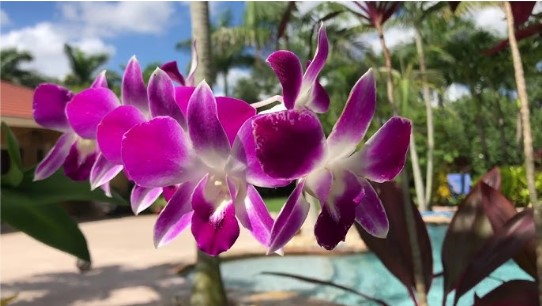
- Decorative Appeal: Their vibrant blooms enhance home décor or garden spaces.
- Stress Relief: Gardening and caring for plants are known to reduce stress and promote mental wellness.
- Cultural Significance: In many Asian cultures, dendrobium orchids symbolize elegance, prosperity, and friendship.
For orchid lovers, cultivating anggrek dendrobium is not just a hobby—it’s a rewarding experience that combines beauty, tradition, and personal satisfaction.
Tips for Successful Blooming
To encourage more frequent and vibrant blooms:
- Provide sufficient indirect light and avoid overcrowding.
- Maintain consistent watering without overwatering.
- Ensure proper air circulation to prevent pests and diseases.
- Fertilize regularly during the growing season and reduce feeding during dormancy.
By following these simple tips, your anggrek dendrobium can thrive and showcase its stunning flowers year after year.
Conclusion
Anggrek dendrobium is a remarkable orchid species that appeals to both novice gardeners and experienced horticulturists. Its adaptability, elegant blooms, and cultural significance make it a popular choice worldwide. By understanding its characteristics, proper care requirements, and preferred environment, anyone can successfully grow and enjoy this exquisite orchid.
Whether displayed indoors or in a tropical garden, anggrek dendrobium continues to captivate with its beauty, making it a timeless favorite among plant enthusiasts.